Cleaning and disinfecting is something that all cleanroom operators are familiar with. It’s a crucial step in preventing and controlling contamination. In order to ensure the effectiveness of these chemicals, there are several factors that can affect their efficacy that is often overlooked. Failing to control and adhere to any one of these can render chemicals ineffective.
Concentration
A higher concentration translates to greater efficacy and shorter time for microbial kill; however, making a higher concentration solution is not always better. For example, in the case of IPA: Changing the concentration in turn changes its required contact time. 90% IPA may require less contact time due to the higher concentration but this does not allow for contact due to its accelerated evaporation rate, making 70% a better choice. This places importance of properly diluting a stock concentration to ensure that the right concentration is being prepared.
Contact Time
Contact/dwell time the required time for a disinfectant to bind to the microorganism and complete its particular mode of action. There are many variables which can alter the contact time. These include-type of chemical, concentration/volume, nature of the organism, soil load, temperature, and the surface material itself. Most cleanroom disinfectants will list concentration and contact time required for various target microorganisms. Adjusting for the worst case combination of factors is critical.
Environment
Environmental factors can alter the effectiveness of cleaning chemicals: Temperature, pH, relative humidity, and water hardness. For example, an increase in temperature increases the effectiveness of reactions to take place, higher pH improves the activity of some disinfectants, and relative humidity can influence the activity of vaporized sterilant.
Shelf Life
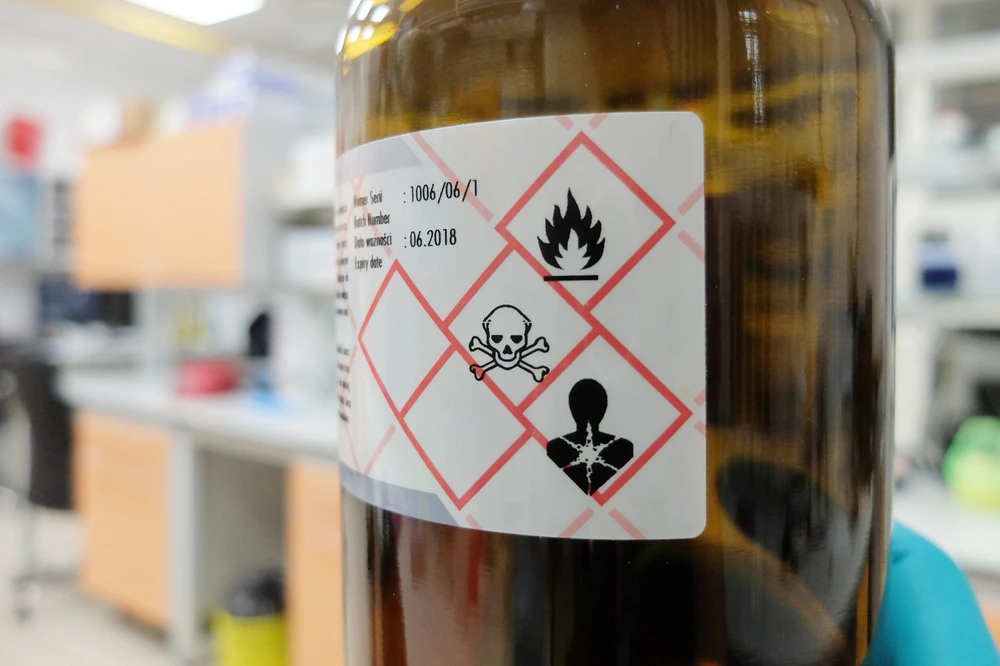
Although a chemical concentrate may have months before expiration, the diluted solution may quickly lose efficacy. For many common cleaning products, the manufacturer recommends discarding solutions after seven days.
To have a successful, repeatable cleaning and disinfection program, it is critical to account for the variables, use a consistent application and carefully document the process.