This blog series introduces the need for precise disinfection in critical environments and explores the Triple Clean method—a three-stage manual process designed for detailed, residue-free surface cleaning. It explains how each stage (germicidal surfactant, sporicidal, and IPA rinse) ensures optimal cleanliness and highlights where Triple Clean excels. In the next blog, we compare this approach to the Dry Fog method, helping you determine the best solution for your cleanroom needs.
Triple Clean Explained
In critical environments like cleanrooms, maintaining the highest standards of disinfection is essential. Whether in pharmaceutical manufacturing, compounding pharmacies, research labs, or medical device facilities, controlling microbial contamination is vital for patient safety, product integrity, and compliance.
At Sterile Science, our Triple Clean service is a meticulous, three-step surface disinfection process designed to eliminate contaminants and leave no residue behind.
What is Triple Clean?
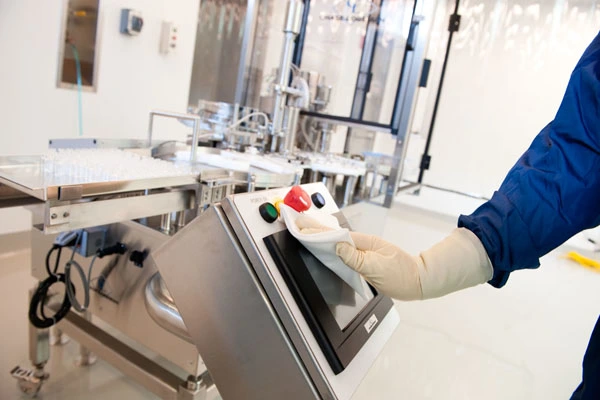
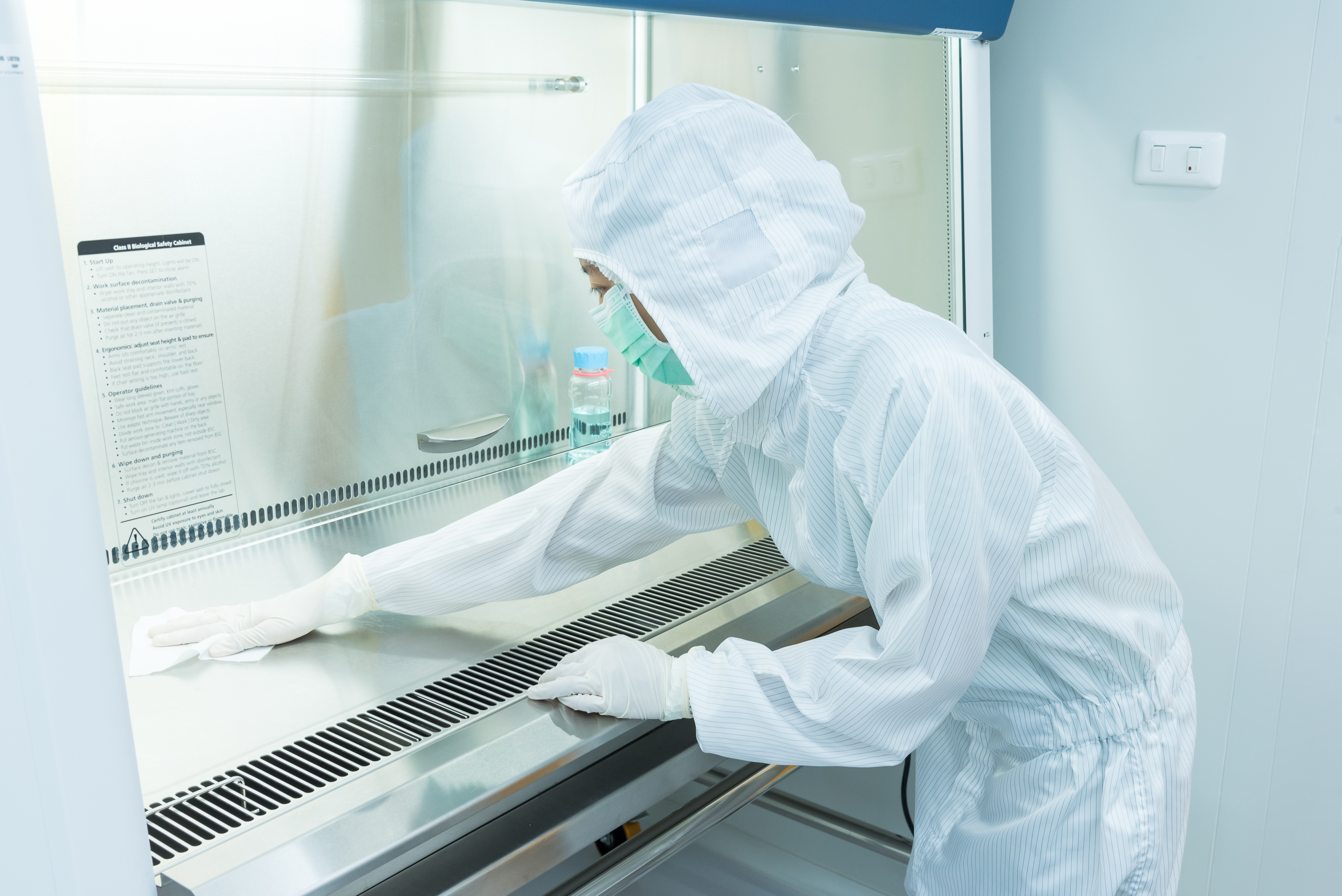
Triple Clean is a manual cleaning method performed in three distinct passes:
- Germicidal Surfactant Application: A powerful germicidal solution (like Vesphene or LpH III) targets bacteria, viruses, and fungi.
- Sporicidal Application: A sporicidal disinfectant (such as PeridoxRTU) eradicates resilient bacterial spores.
- IPA Rinse: An Isopropyl Alcohol (typically 70%) rinse removes all residual chemicals for a clean, residue-free finish.
Why Triple Clean Works
Each step is specifically designed to target different aspects of microbial contamination, ensuring broad-spectrum disinfection:
Layered Attack: Tackles microbes from multiple angles using different chemistries.
– Biofilm Disruption: The germicidal surfactant penetrates and disrupts biofilms.
– Spore Elimination: The sporicidal step targets highly resistant spores.
– Residue-Free Surface: The IPA rinse leaves surfaces clean and compliant.
Ideal Use Cases for Triple Clean
Routine cleaning in small-to-medium cleanrooms
High-sensitivity areas where residue control is critical
Isolators, biosafety cabinets, and equipment requiring hands-on care
ISO 5-8 Cleanrooms
Performance Insight
Triple Clean is more labor-intensive, covering about 100 sf/hour per technician. For example, a 300 sf room takes roughly 3 hours for one technician. Keep in mind that this is per technician, and for larger areas, multiple technicians can be deployed to reduce the overall service time.
This hands-on service ensures precision where it’s needed most.
Make sure to read our blog post on Dry Fog Contamination to compare another effective way to disinfect your facility.