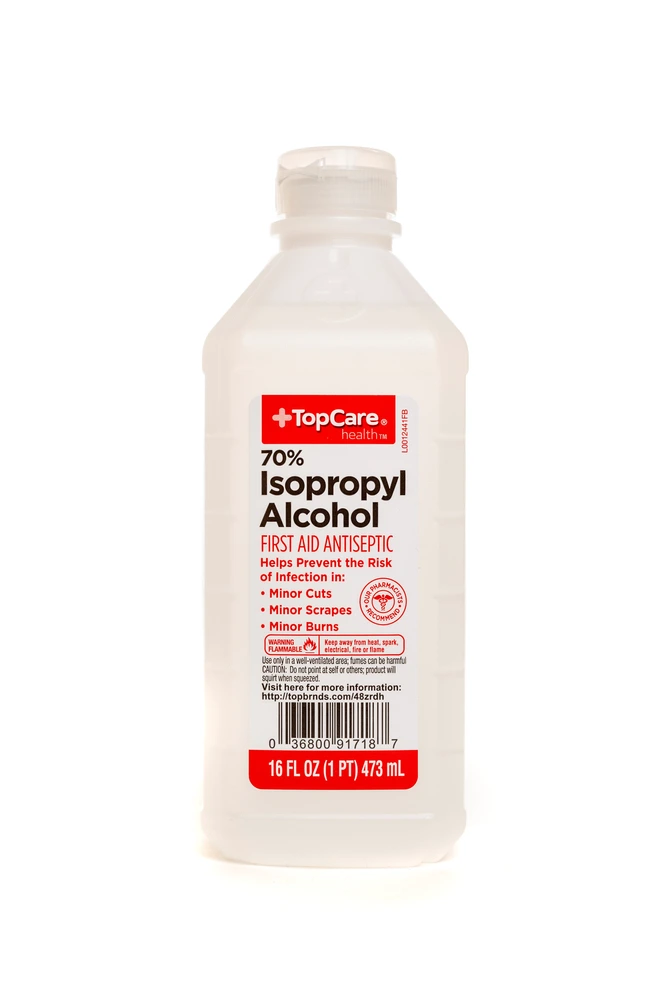
Why 70% is the Magic Number for Isopropyl Alcohol in the Clean Room
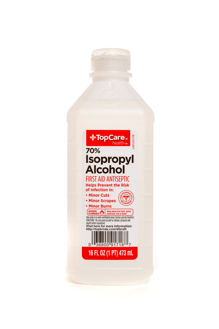
Isopropyl alcohol (IPA) is the most common and widely used disinfectant. USP, CDC and EPA guidelines specify the use of IPA for a wide range of cleaning and disinfection activities. Used correctly, it can be effective against bacteria, viruses and fungi. But what concentration should be used in the clean room?
Water plays an important role efficacy of the IPA solution. Water acts a catalyst and allows the alcohol to permeate the cell more completely and disrupt the cell membrane. As the concentration of IPA increases and the percentage of water falls, IPA becomes less effective. For example, while a 50% IPA solution kills staphylococcus aureus in less than 10 seconds, a 90% solution is ineffective even after several hours. (The 90% solution rapidly coagulates the outer proteins creating a boundary layer that protects the remaining proteins.)
Too much water is also an issue. As the concentration of alcohol falls below 50%, efficacy falls off rapidly. As a result, 70% isopropyl alcohol has been identified as the optimal concentration for IPA used as a disinfectant in hospitals, pharmacies, labs and other sterile and aseptic environments.
However, it is important to note that IPA is a low-level disinfectant. This means IPA is not effective against bacterial endospores, molds, fungus or hydrophilic viruses. For complete eradication of all organisms, a sterilant should be used periodically. For example, Sterile Science uses a vapor phase application of EPA-registered Minncare (containing peracetic acid) to provide a better than a 6-log kill in critical environments. This reduces the bio-burden to essentially zero. The exact timing will depend on the classification of the room, activity level, work flow and other parameters. Contact Sterile Science for an evaluation.
Related Posts

Press Release: Promera Expands into the UK and Ireland
Industry veteran Jim Harding will lead Promera's international operations as the acquisitions of Formula Facilities Services and Critical Area Cleaning establish a UK and Ireland platform.
Read More
3 Airflow Intelligence Myths
Standard airflow practices are outdated in the age of AI. This blog breaks down why airflow intelligence is critical for AI workload success.
Read More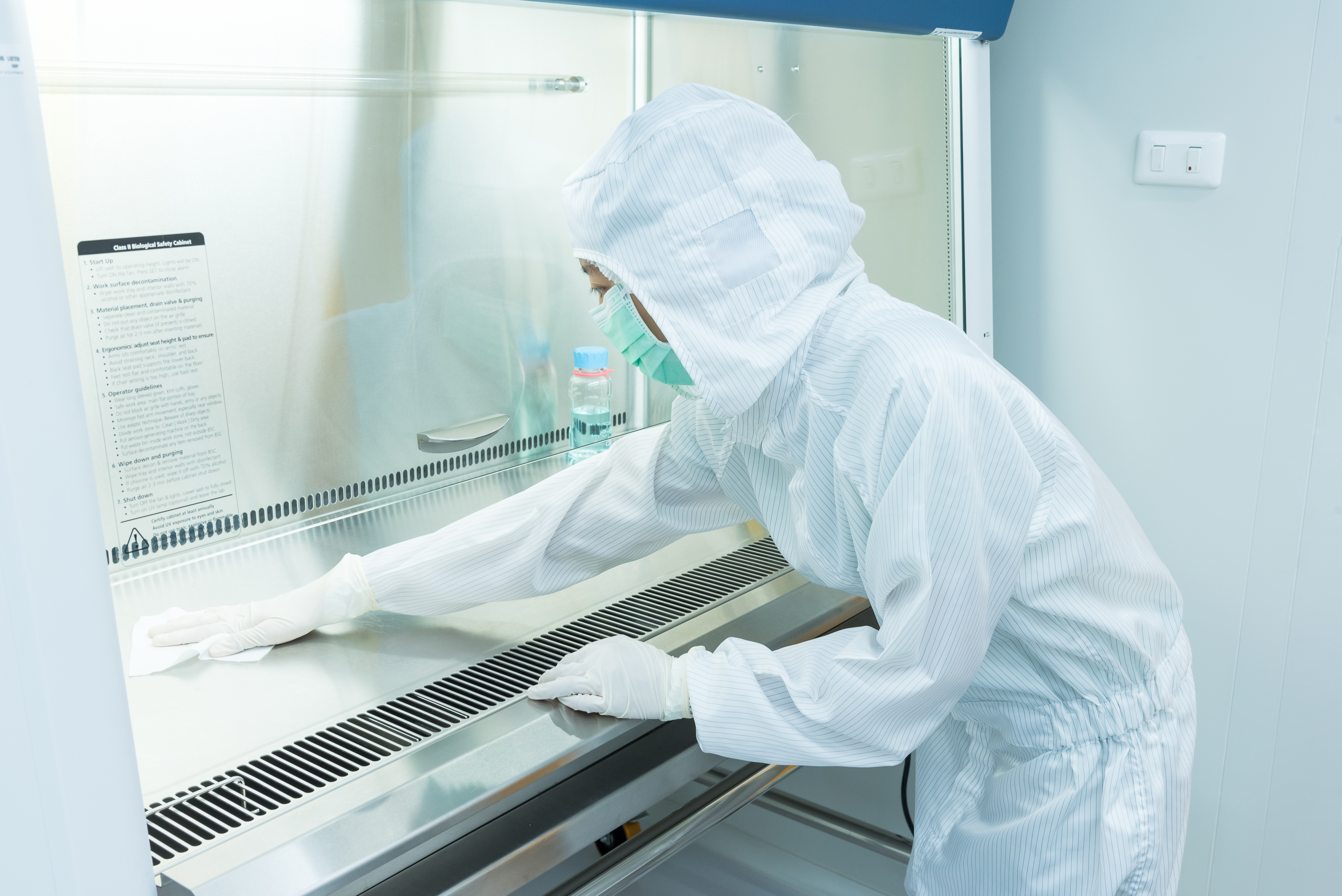
Mold Decontamination: Why The Right Method & Team Matter
Improper mold cleaning can spread contamination, create health and equipment risks, and lead to costly regrowth. Learn why effective mold decontamination requires trained technicians, proper containment, validated chemistry, and thorough documentation.
Read More
More Than Cosmetic: Electrical Equipment Cleaning
Electrical equipment cleaning is more than a cosmetic step. Learn why clean, inspection-ready equipment supports safety, quality, and smoother turnover on data center projects.
Read More