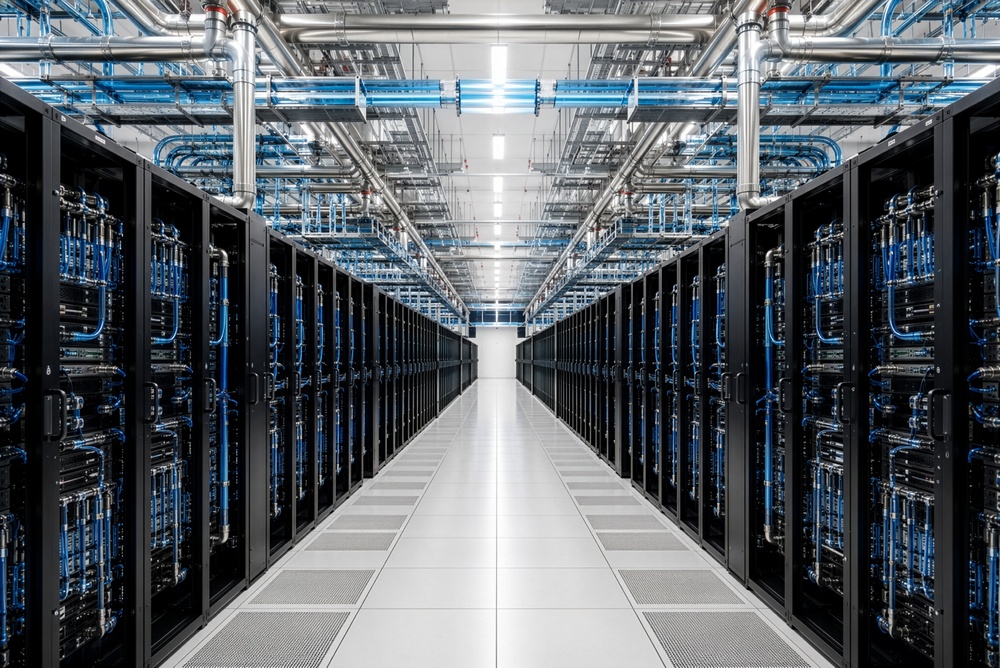
When it comes to data center efficiency, one of the most common questions is, “Which is better, hot aisle containment or cold aisle containment?” While it might seem like a simple question, the answer isn’t always straightforward. The reality is that the best containment solution depends on several factors. So, the right question to ask isn’t “which is better” but rather, “how can I achieve optimal separation of hot and cold air in my data center?”
Key Considerations for Your Data Center’s Containment Strategy
Before choosing between hot aisle and cold aisle containment, several factors need to be taken into account:
- What is the problem you’re trying to solve? Is it localized hot spots or overall cooling capacity constraints?
- Is your cooling constraint a system-wide issue, or is it a localized challenge?
- Are you aiming to save energy? If so, what’s driving the initiative—environmental goals, return on investment (ROI), or power capacity limitations?
- What are your energy targets, and what budget is allocated for this project? Is it a capital expenditure (CapEx) or operational expenditure (OpEx)?
- Can the project tie into broader internal initiatives, and are utility rebates part of the plan?
- What is your facility’s 3, 5, and 10-year growth plan? Does your containment solution need flexibility?
- How does air move through your facility today? And what does your IT equipment roadmap look like in terms of density and scale?
A Real-Life Example: Savings Through Smart Design
During the design phase of a recent project, our team was asked to evaluate a data center with conditioned air being supplied both overhead and from the side of the room. Initially, the client wanted to use cold aisle containment. After further assessment, we were able to save 25% of the project’s cost by recommending hot aisle containment instead.
By channeling heat away from cabinet intakes and toward the overhead cooling system, we reduced material costs and created a more resilient environment, allowing for multiple cooling units to serve different cold aisles. The end result? The customer received a better, more efficient solution—at a reduced cost.
Takeaways: Effective Design for Better Performance and Savings
Smart, well-planned containment solutions can significantly improve airflow management, reduce energy costs, and enhance the overall resilience of a data center. Whether you’re addressing hot spots, saving energy, or future-proofing your facility, a well-designed containment strategy can lead to substantial savings, both financially and operationally.
So, the next time you’re faced with the question, “Which containment strategy is better?” remember that the answer lies in understanding your specific goals, challenges, and long-term objectives.